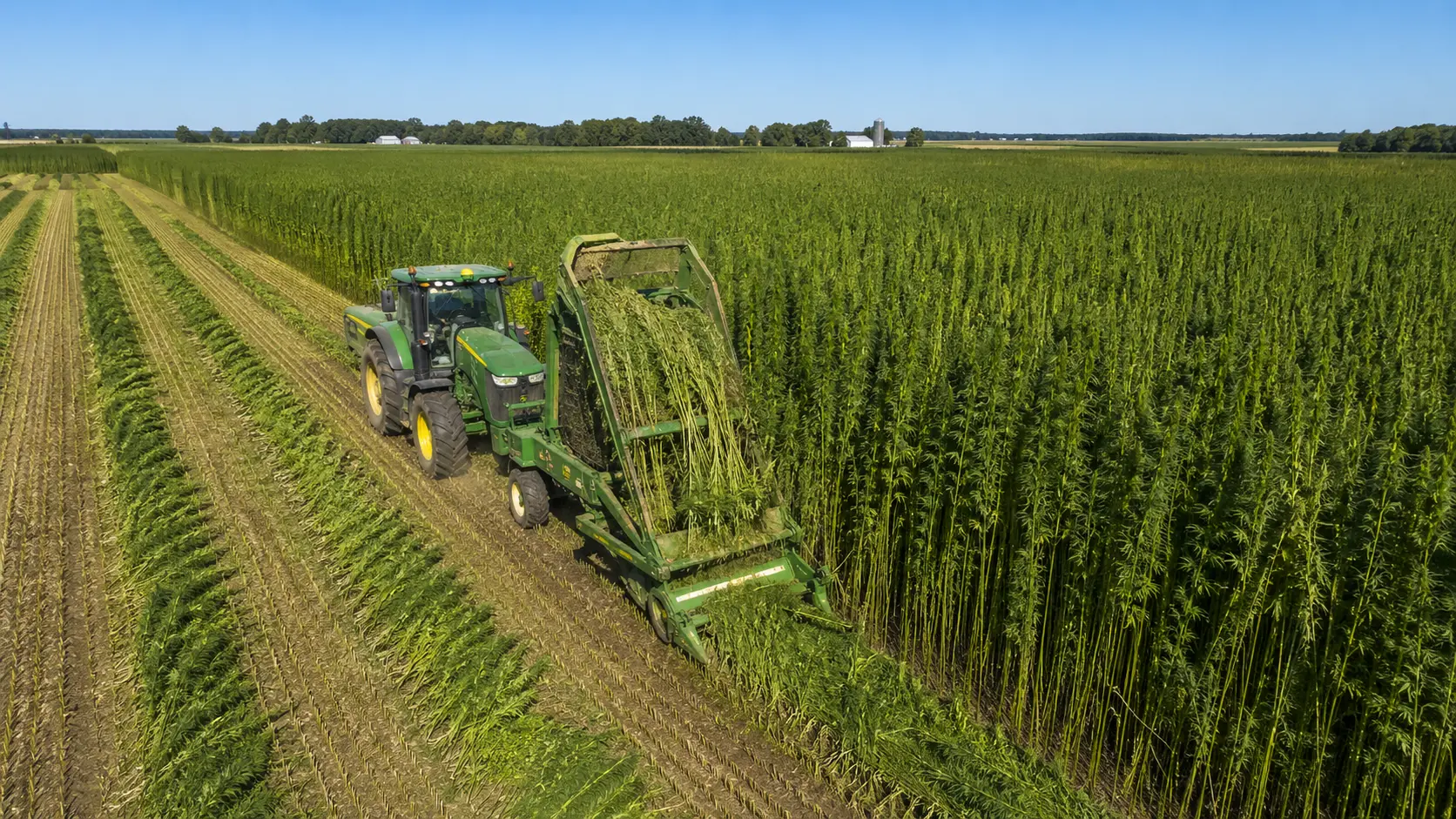
How the Hemp Feed Coalition Is Opening New Markets for Hemp Farmers
A New Frontier for Hemp Farm Economics
For years, hemp farmers have wrestled with a familiar challenge: what to do with the byproducts of hemp grain and seed processing. Seed meal — the protein-rich material left after hemp seed oil is pressed — represents a significant portion of the processed plant, and without a defined market, it often goes underutilized.
The Hemp Feed Coalition is working to change that. The organization's central mission is to advocate for federal approval of hemp-derived ingredients in commercial animal feed — a regulatory achievement that would create entirely new commodity markets, improve farm-level economics, and strengthen the infrastructure of the broader hemp industry.
This is slow, methodical work. But it is producing results.
What the Hemp Feed Coalition Does
The Hemp Feed Coalition brings together hemp farmers, processors, animal agriculture stakeholders, and industry advocates to navigate the federal regulatory pathway for hemp-derived feed ingredients. Their approach is grounded in science: funding and supporting peer-reviewed research, working with university partners, and engaging directly with the regulatory bodies that control feed ingredient approvals in the United States.
The two primary regulatory channels the Coalition works through are:
- The Association of American Feed Control Officials (AAFCO), which establishes ingredient definitions used by states to regulate commercial feed.
- The FDA Center for Veterinary Medicine (FDA-CVM), which oversees the safety of ingredients added to animal feed under federal authority.
Getting an ingredient approved for inclusion in commercial animal feed is not a single event — it is a process that unfolds incrementally, species by species, use level by use level, supported by safety and digestibility data.
The August 2025 Milestone: AAFCO Publishes Hemp Seed Meal Definition for Laying Hens
A significant marker of progress came in August 2025, when AAFCO officially published a definition for Hemp Seed Meal (HSM) as an approved ingredient for use in laying hen (poultry) feed. Per AAFCO's published ingredient definitions, this definition establishes the parameters under which HSM may be included in commercial poultry rations — a first for hemp-derived feed ingredients at the national regulatory level.
This is a meaningful achievement, but context matters: HSM approval for laying hens is one approved use in one species category. It is not blanket federal approval for hemp as animal feed across livestock classes. Full commercial approval across cattle, swine, and other species remains an ongoing regulatory goal, subject to additional research submissions and agency review.
State-by-state adoption of the AAFCO definition is also still in progress through 2025 and 2026, as individual states update their commercial feed regulations to incorporate new AAFCO ingredient definitions. Hemp farmers and feed manufacturers should verify current state-level requirements with their state department of agriculture before making feed formulation decisions.
The Science Behind the Progress
A key research partner in this work has been Kansas State University, which conducted hemp digestibility trials examining hemp leaves and seed byproducts in cattle feed applications. Preliminary university research from Kansas State University has examined nutrient digestibility of hemp seed byproducts in cattle feed trials, with findings supporting the safety and nutritional value case for expanded hemp feed ingredient approvals. This research has not yet been published in a peer-reviewed venue; specific figures and conclusions should be treated as preliminary until formally peer-reviewed and published with full bibliographic details.
This kind of university-conducted research is precisely what FDA-CVM and AAFCO's science advisory panels require to advance ingredient definitions through the regulatory pathway. The Hemp Feed Coalition has worked to support and promote this research pipeline as a core part of its advocacy strategy.
Why This Matters for Hemp Farmers and Processors
The animal feed market represents one of the largest potential commodity outlets for hemp grain and seed byproducts. If hemp seed meal achieves broad federal and state approval across major livestock categories, the implications for hemp farm economics are substantial:
- New buyers for byproduct streams that currently have limited market options
- Improved whole-crop economics that make hemp grain and seed production more financially viable
- Infrastructure development — feed mills, processors, and distributors building supply chains around hemp feedstock
- Price stabilization through demand diversification, reducing dependence on any single market channel
For rural hemp farmers and grain processors, this regulatory pathway — though slow — is laying the groundwork for a more durable hemp economy.
Where Things Stand Today
As of May 2026, the hemp animal feed regulatory landscape is one of incremental, evidence-based progress. The AAFCO HSM definition for laying hens is an established regulatory milestone. Work continues toward definitions and approvals for additional species and ingredient types through the FDA-CVM Ingredient Definition pathway and AAFCO's science advisory panels.
Hemp farmers and industry stakeholders should monitor developments at hempfeedcoalition.org, AAFCO's official ingredient roster, and FDA-CVM's feed ingredient guidance for official updates. As with all regulatory matters, verify current status with the relevant agencies before making operational or business decisions.
Support the Work
The Hemp Feed Coalition's progress depends on sustained industry engagement — researchers, farmers, processors, and advocates working together through the regulatory process. If you are a hemp farmer, grain processor, or industry stakeholder, consider connecting with the Coalition and following their work.
Building a hemp feed market is not a sprint. It is the kind of long-arc infrastructure work that strengthens the entire hemp industry for the generation of farmers who come after us.